How I researched
I combined what people told us with how they actually used the site:
- Stakeholder interviews with the owner, school director, teachers and head of operations, to agree long- and short-term enrolment goals
- Parent interviews and a survey of current parents, kept short and written following Nielsen Norman Group's survey best practices
- Expert reviews of 7 competitors that parents mentioned, comparing value propositions, selling points, calls to action and content
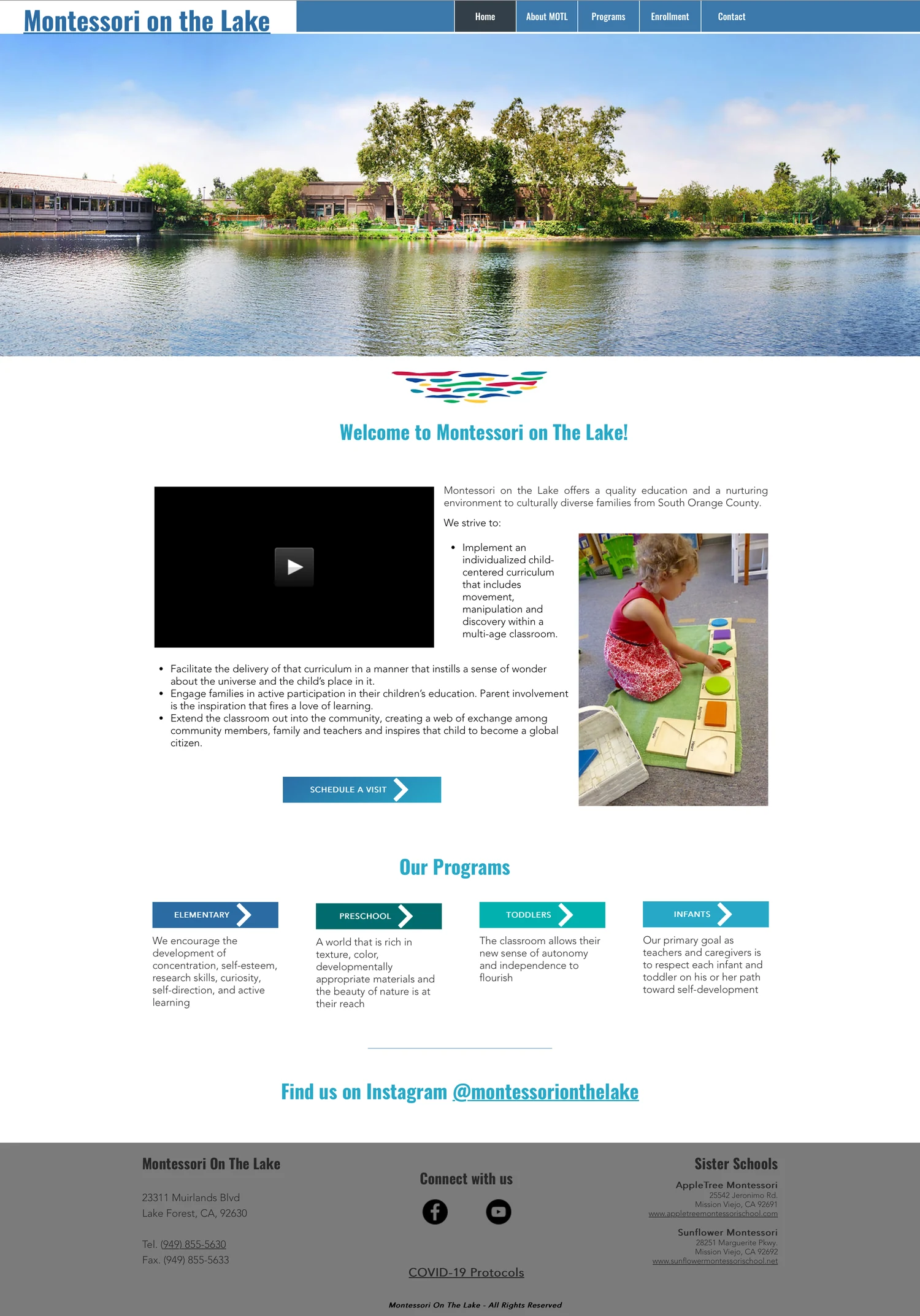
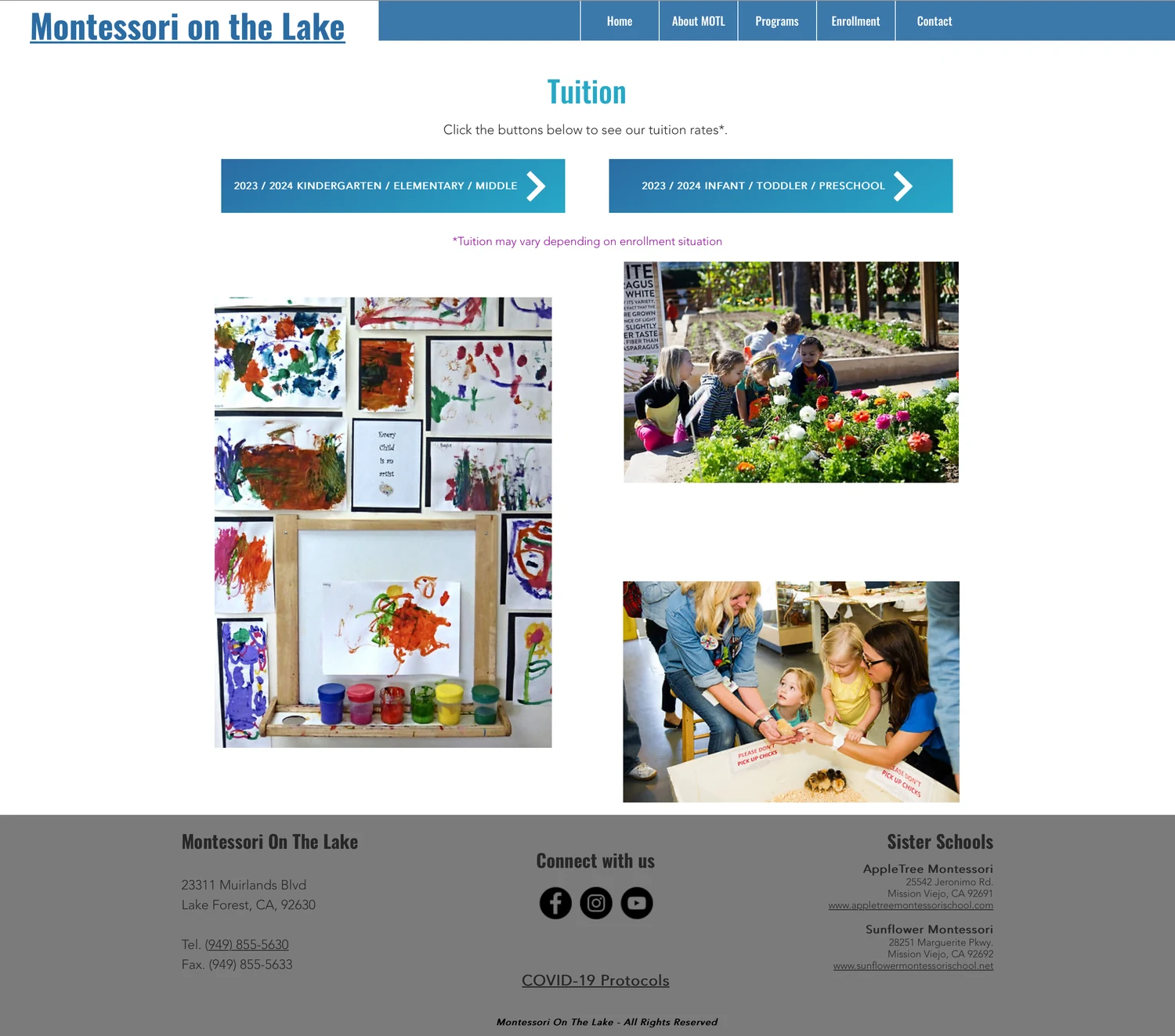
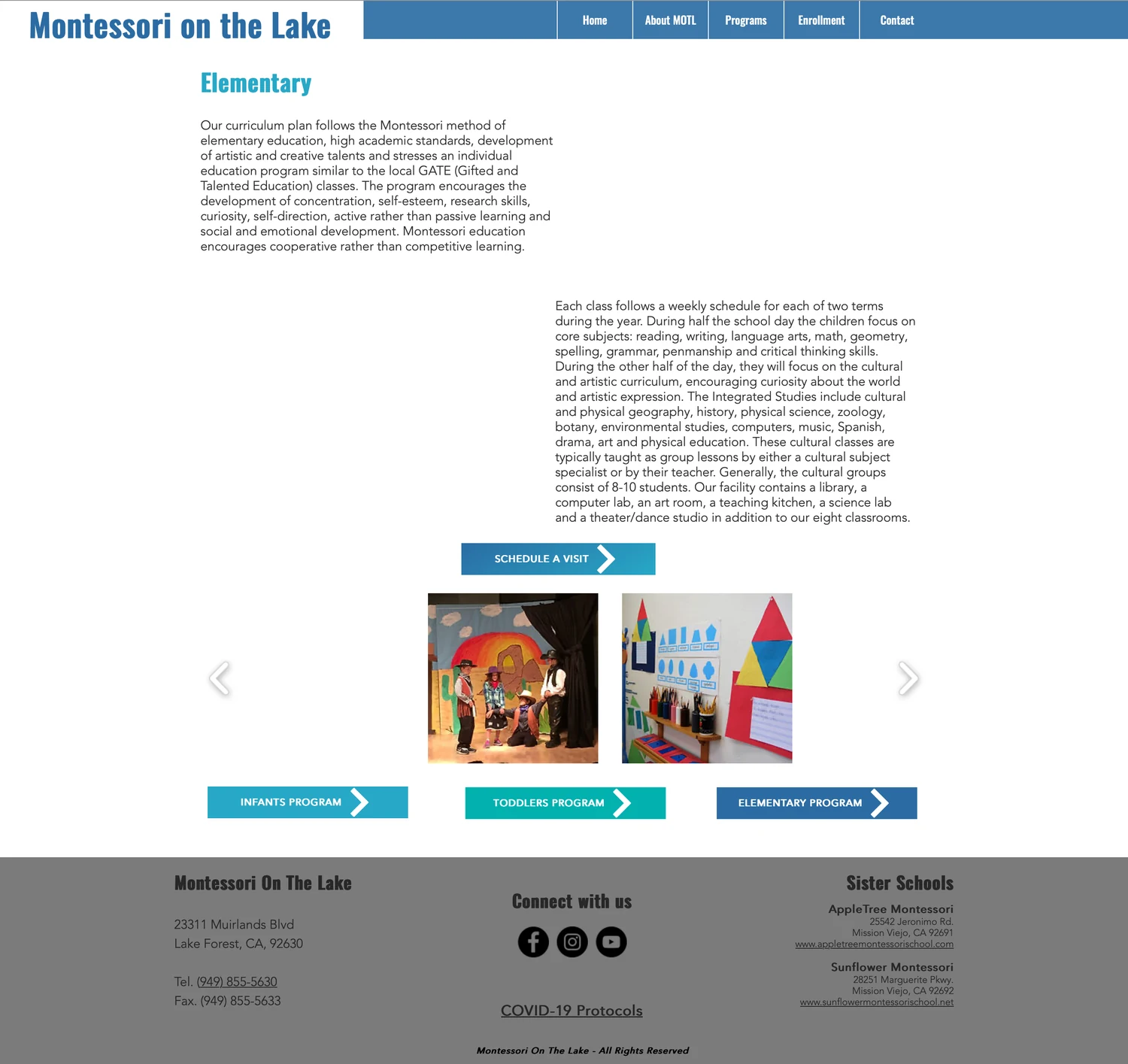
- A heuristic evaluation of the school's own website
- Website analytics in Google Analytics, Similarweb and Semrush
Key insights → decisions
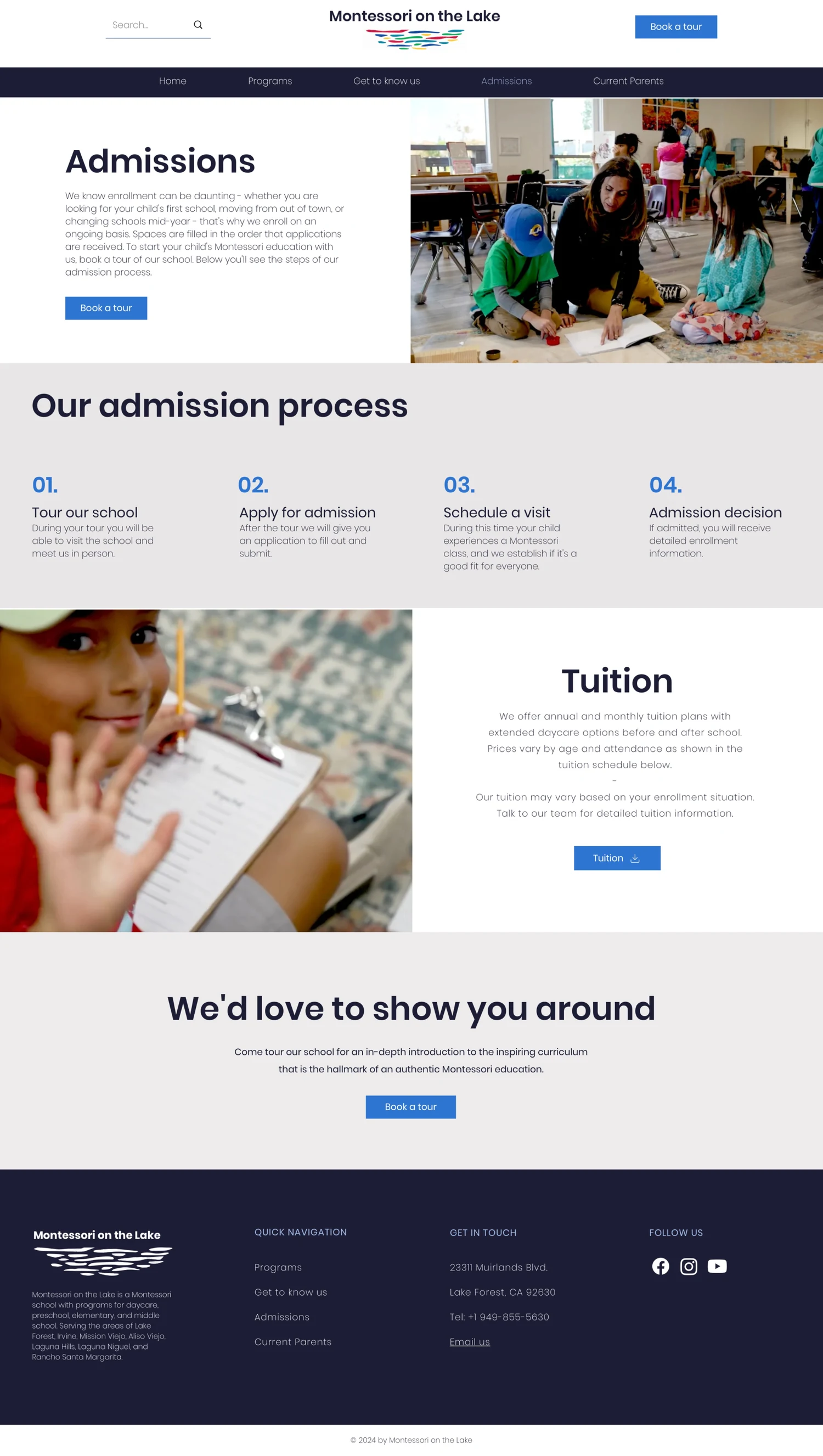
For many parents, the tour was what sealed the decision to enrol.
DecisionMake the tour a required step and the main call to action.
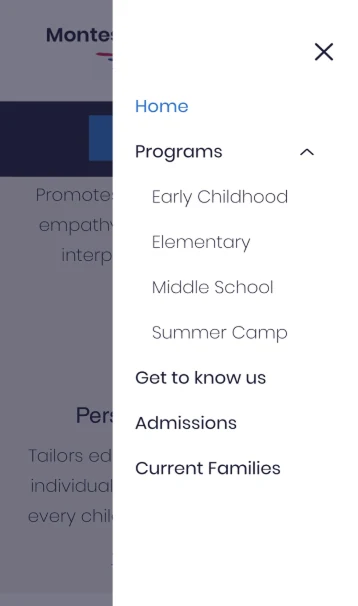
63% of visitors were on mobile, on a site that wasn't built for it.
DecisionDesign a responsive, touch-friendly site for every screen size.
Speed and accessibility tests showed the site was too slow and didn’t meet WCAG standards.
DecisionRemove heavy animations and widgets, and design to WCAG 2.1.
The older the child, the fewer parents planned to keep them at the school. In middle school, none did.
DecisionChange the pricing strategy to retain returning students.
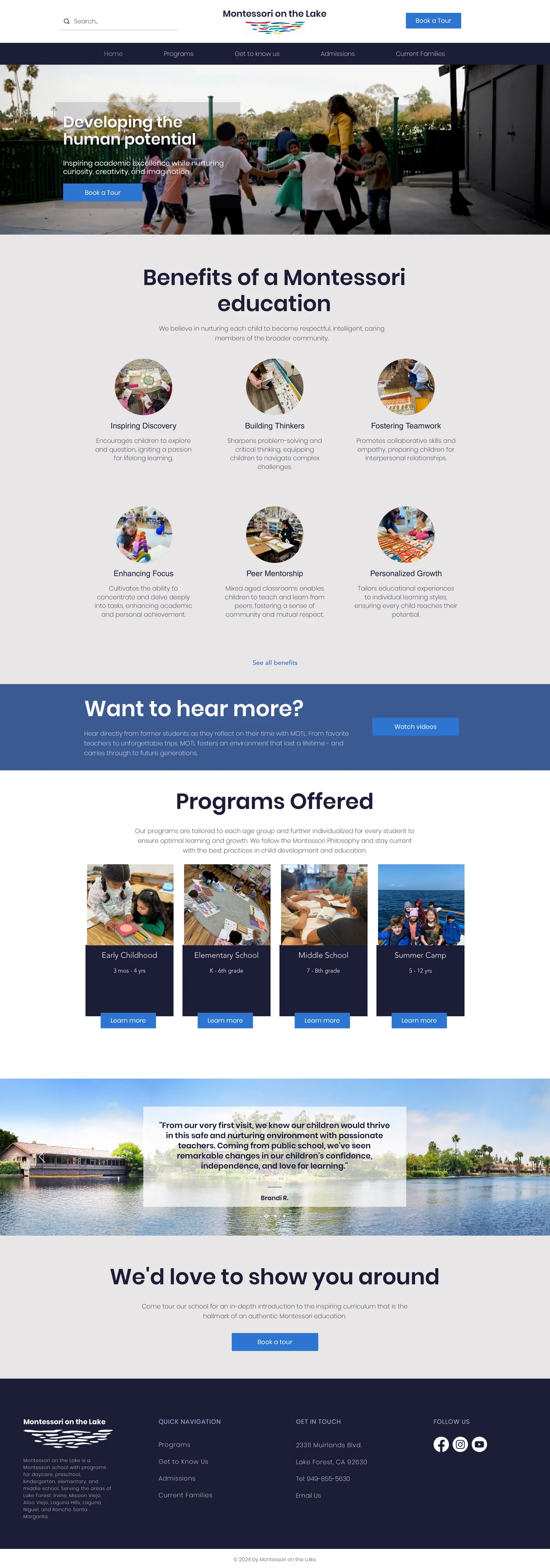
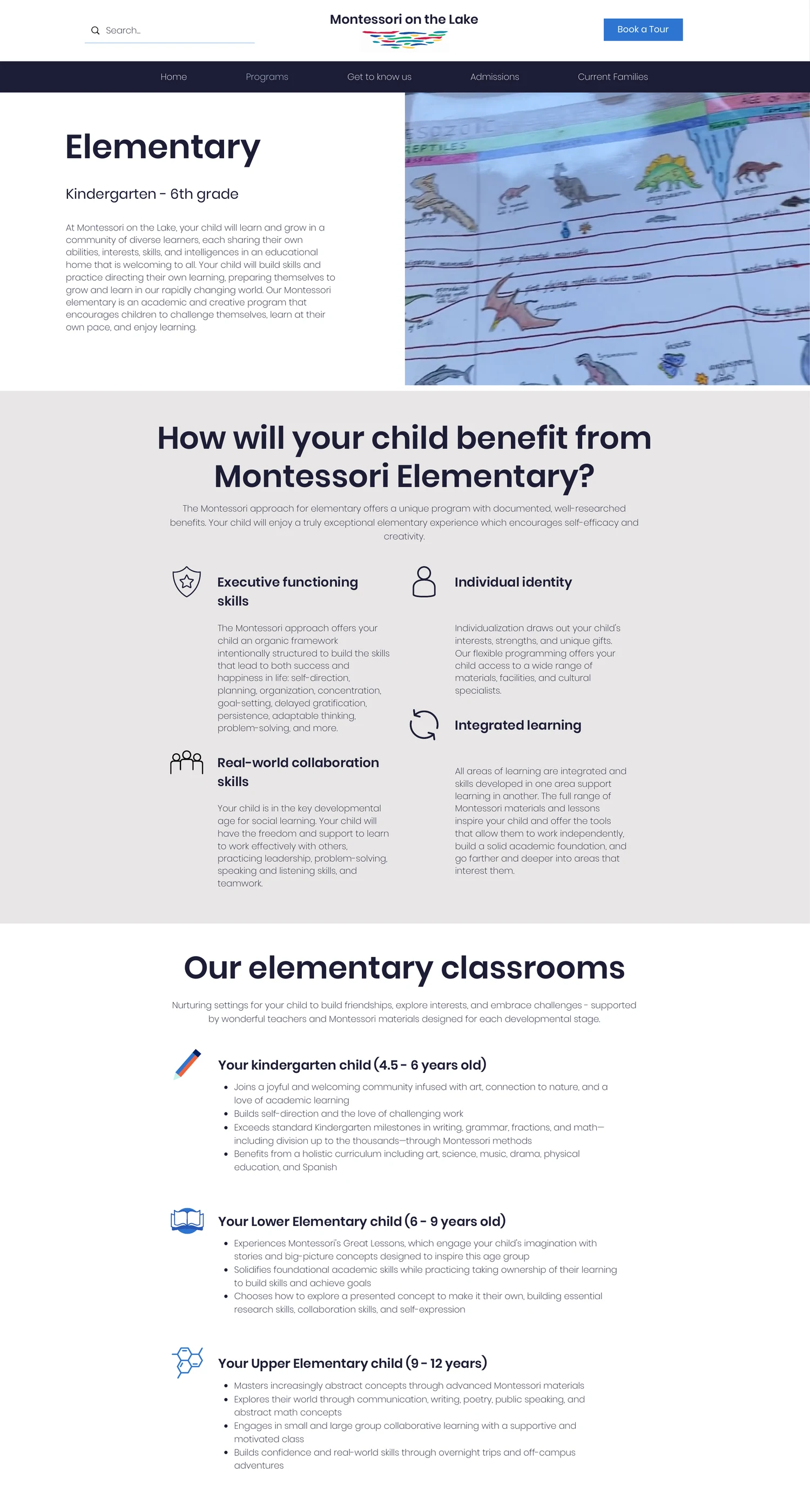
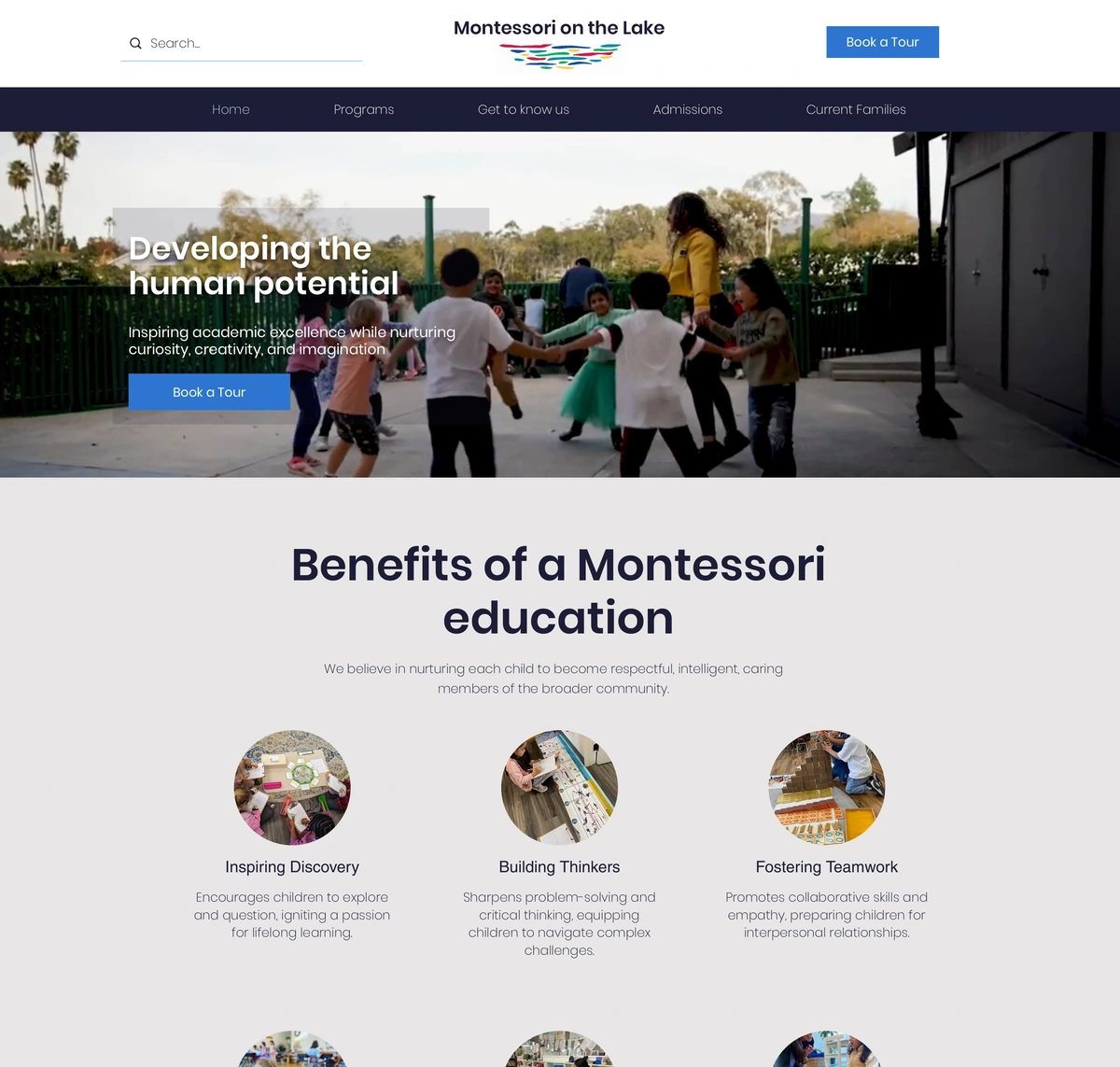
Parents didn't have a clear picture of the curriculum, or of what Montessori does for their child.
DecisionLead with a clear value proposition, the benefits of Montessori and outcomes for children.
Almost no families came from social media.
DecisionMove the ad budget from social media to search.
What changed